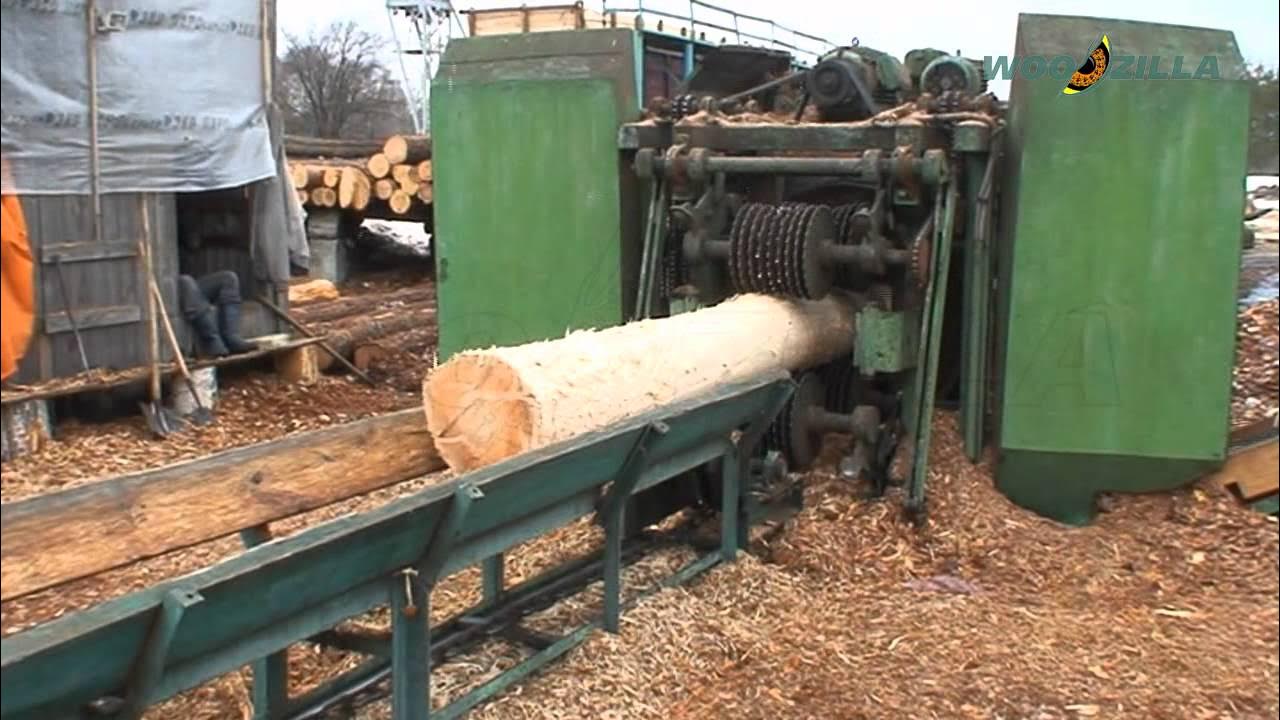
Wood processing involves much debarking to improve quality and aid downstream equipment. This work, often with logs of various sizes, species, and moisture, is tough. Abrasion and impact are caused by dirt, sand, stones and moisture, which slowly decrease cutting efficiency. Unless maintained, the performance can decline rapidly, the production will slow down, and the equipment may even be damaged. A clear maintenance strategy makes the tools for debarking logs by JYF Machinery effective and prolongs their life in service, minimizes unexpected stoppage to ensure the continuity of its operation, and increases productivity.
Understanding Wear in Debarking Tools
The tools used in debarking are subjected to friction with the bark and contaminants at all times. Hard inclusions may also result in chipping, deformation, or microcracks of cutting edges due to abrasive particles in bark that slowly wear out cutting edges and can result in repeated impacts on cutting edges. The accumulation of heat on the long-runs may also impact the metal structure, which may lower the hardness and toughness. Understanding these wear mechanisms can be used to arrange inspections and service interventions in time, and enable the operators to predict any maintenance requirements, and also ensure uniformity of cutting behavior on all logs that have been run.
Routine Visual Inspection
The initial stage of maintenance is frequent visual checks. Operators need to check for edge rounding, cracks, uneven wear, and loose mounting points. Damages that are started early are not difficult to rectify compared to extreme failures. A regular check of the equipment used to strip logs by JYF Machinery can assist in preventing the loss of performance and ensuring that the machine is not subjected to a secondary loss.
Monitoring Cutting Performance
Changes in machine behavior often indicate tool wear. Slower bark removal, rough log surfaces, or increased vibration suggest that cutting edges are losing effectiveness. Higher power consumption can also signal rising resistance. These performance indicators can be monitored so that maintenance crews can mitigate the problems from escalating.
Proper Cleaning After Operation
The environments that involve debarking have resin, dust, and fine particles that may be deposited on the tool surfaces. Accumulation influences thermal stability. It is recommended to clean tools after use to ensure stable operation. Clearing of debris also enables more straightforward checks of the surfaces to be worn or have cracks.
Sharpening and Edge Care
During usage, cutting edges also become dull. Sharpening controls and puts back edge geometry and cutting efficacy. It should not be over-sharpened, and thus the material thickness becomes less, making the tool weak. After the correct sharpening of the tools used to debark the logs under the JYF Machinery, it can sustain the quality of cutting as well as the strength of the structure.
Correct Installation Practices
Poor installation may reduce the life of the tools. The problems of uneven tightening or misalignment result in vibrations and uneven wear. Tools should be fixed in line with torque and location requirements. Proper installation will provide even rotation and consistent contact with logs, which provides even distributions of wear.
Managing Heat and Friction
Continuous operation generates heat. Excessive temperature can reduce hardness and affect wear resistance. Adequate cooling periods and proper machine settings help control heat levels. Avoiding overloading also reduces friction stress on tools for debarking logs by JYF Machinery.
Replacing Worn Components on Time
Delaying replacement of heavily worn tools can cause damage to holders and surrounding structures. When wear reaches safe limits, timely replacement protects the overall system. Using matching components ensures correct fit and performance consistency.
Storage and Handling of Spare Tools
Spare tools should be stored in dry, clean environments to prevent corrosion. Careful handling avoids edge damage before installation. Proper storage practices help maintain readiness and preserve tool condition.
Record Keeping and Maintenance Planning
Monitoring wear rate, sharpening periods and changes in replacement will be used to generate a predictive maintenance schedule. Historical records enable more flexibility in planning and decrease the downtime that cannot be predicted. Maintenance planning based on actual operating conditions supports steady performance.
Operator Awareness and Training
Operators play a key role in maintenance. Understanding normal machine sounds, vibration levels, and cutting quality helps identify issues early. Training improves response to warning signs and supports safe maintenance practices.
Supporting Overall Equipment Life
Well-maintained tools reduce stress on the debarked system. Smooth cutting lowers the load on motors and bearings. Stable operation reduces vibration and mechanical strain. By maintaining tools for debarking logs by JYF Machinery, facilities protect not only the tools but also the entire processing line.
Conclusion
Maximum maintenance is the key to good debarking performance. During normal operation, tools are subject to abrasion, impact, and heat. Inspection, cleanliness, sharpening and correct installation are part of the factors that lead to a long life of service. Reliability is also enhanced by means of timely replacement and scheduled maintenance. Through a systematic maintenance strategy, Debarking logs tools by the JYF Machinery can provide even and reliable performance and help to facilitate efficient wood processing activities.