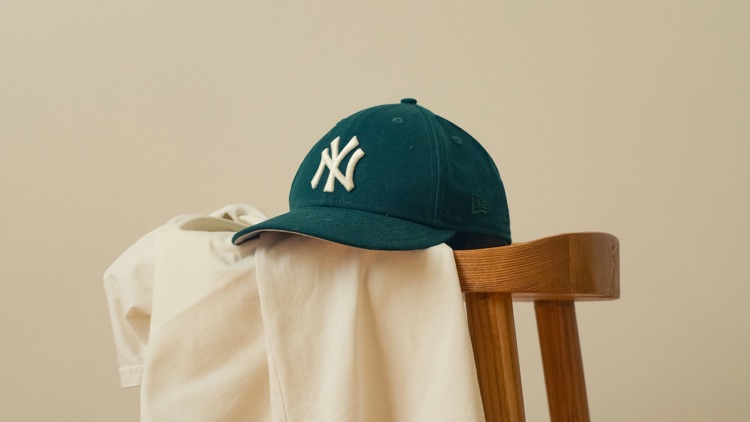
Golf caps need a different level of control from ordinary promotional hats.
They are worn outdoors for long periods, often in warm weather, and customers expect them to look clean while staying comfortable. A poor sweatband, weak brim shape, crooked logo, or unstable fit can make the product feel cheap even if the fabric looks good in photos.
That is why choosing an OEM golf cap manufacturer is not only about price. Buyers need a supplier that can translate brand requirements into a repeatable cap construction.
What Makes Golf Caps Different
Golf caps sit between performance headwear and lifestyle retail products. They need comfort, but they also need a clean look suitable for clubs, tournaments, resorts, apparel brands, and corporate gifting.
Common requirements include:
- Structured or semi-structured crown
- Comfortable sweatband
- Stable brim curve
- Breathable or quick-dry fabric
- Clean front logo placement
- Good color consistency
- Retail-ready finishing
- Reliable packing to protect shape
For premium golf caps, the difference is often in the details rather than one single material.
Prepare a Clear Product Brief
Many sourcing problems start with a weak brief. If the buyer only sends a photo and asks for a quote, the supplier has to guess the fabric, panel construction, crown depth, brim style, decoration method, and packaging.
A useful golf cap brief should include:
- Target customer and use case
- Reference style or photos
- Preferred crown profile
- Fabric requirement
- Logo file and decoration preference
- Closure type
- Color list
- Quantity
- Sample deadline
- Target price level
- Packaging requirement
The more specific the brief is, the easier it is to compare quotes between suppliers.
Fabric Selection for Golf Caps
Golf caps are often worn in sun, heat, and sweat. Fabric should be chosen for both appearance and comfort.
Polyester and blended performance fabrics are common because they can dry faster and support a cleaner technical look. Cotton can feel familiar and natural, but it may not suit every performance use case. Stretch fabrics can improve fit, but pattern control becomes more important.
Some buyers also consider perforated fabric, mesh panels, or water-resistant finishing. These options can help performance, but they also affect cost, structure, and logo application.
Ask the manufacturer which fabrics are stable after sewing and decoration, not only which fabric looks premium in a swatch book.
Logo Decoration Choices
Golf caps often use embroidery, woven patches, silicone patches, TPU patches, heat transfer, or leather patches.
Embroidery is familiar and durable. It works well for many golf brands, but heavy embroidery may pull on lightweight fabric. Heat transfer gives a clean modern look, but it requires good application control. Patches can create a premium retail feel, but buyers should check weight, edge finish, and placement.
Logo approval should happen on the actual cap material. A logo that looks good on a flat proof can look different once placed on a curved crown.
Fit and Wear Testing
Golf cap fit should be reviewed carefully.
Check crown depth, brim curve, side panel shape, closure comfort, sweatband feel, and how the cap sits during movement. If the product is for a club or brand with a broad customer base, avoid overly narrow sizing assumptions.
Wear testing is simple but useful. Have several people try the sample, not just the designer or buyer. Review comfort after longer wear, especially in warm conditions.
Sampling and Revision Process
The first sample rarely needs to be perfect, but it should answer important questions.
During sample review, write comments clearly. Instead of saying “make it more premium,” specify what needs changing:
- Crown is too shallow
- Brim curve is too flat
- Sweatband feels rough
- Logo is 5 mm too high
- Fabric is too soft to hold the front panel
- Closure color does not match
- Packing flattens the crown
Clear feedback helps the manufacturer revise accurately.
Quality Control Before Shipment
Golf cap inspection should include more than counting pieces.
Check logo placement, stitch quality, panel symmetry, brim curve, fabric defects, color matching, sweatband alignment, closure function, labels, packaging, and comparison against the approved sample.
For repeat orders, keep a reference sample and compare new production against it. This is especially important for brands selling the same cap season after season.
Conclusion
Working with an OEM golf cap supplier is easier when the buyer treats the project as product development, not simple logo printing.
Define the use case, choose fabric carefully, test the fit, approve decoration on real samples, and set clear QC standards before bulk production. These steps help brands produce golf caps that look premium, feel comfortable, and remain consistent across orders.